


Do you have a mould problem?

Don't leave it to chance. Contact us today to get a free, no-obligation quote. Our team of consultants can help you understand what's potentially causing your mould issue, recommend a course of action and talk through pricing and availability.
How to Remove Mould From Your Walls Properly
Why is there mould growth on my walls?
Mould is a common household issue in the UK due to its unique climate. Few places in the world have such high humidity but also cold temperatures, which creates a unique problem for UK residents. If you live in the UK, you’ve likely had mould on one or more of your surfaces and thought nothing of it. You’ve probably wiped it down with bleach, painted over it, or gotten tired with it constantly growing back and decided to adopt it as your new pet and let it do its own thing.
But why does this happen? In any home, there are multiple contributing factors. It could be high condensation, lack of ventilation, structural issues like inadequate insulation, or faulty plumbing. However it happened, it’s not pleasant. It leads to musky smells, unsightly stains and, as the NHS notes, damp and mould in the home are linked to respiratory problems. If you’ve found mould in the walls in your home - black mould or any other colour, for that matter - it’s vital to identify the cause of its growth and resolve the issue. Dealing with mould promptly, using the correct techniques and process, is the way to improve your indoor air quality.
At Pure Maintenance, we see mould day in and day out (what a joy) and have seen some very common similarities in the reasons for mould growth based on the space in the home. We’ve listed a few below for your benefit;
- Bathroom walls: Mould thrives in damp and humid environments, making bathrooms a prime location for growth. Poor ventilation, steam from hot showers, and lingering water on surfaces can all contribute to mould formation on bathroom walls. If a bathroom is not fitted with an extractor fan or it’s not used after showers or baths, the moisture in the air has nowhere to go. The warm moist air condenses onto the colder bathroom walls. Over time the moist walls will become damp. This is the optimum breeding ground for mould as it “eats” both moisture and the cellulose in common building materials like wallpaper or paint.
- Bedroom walls: Mould can appear on bedroom walls due to condensation from temperature differences between the indoor and outdoor environment, especially in poorly insulated rooms. High humidity levels, lack of ventilation, and damp items like wet laundry can also contribute to mould growth in bedrooms. Humans raise the humidity levels within a room - warm bodies, sweat; you name it. Another common cause of mould on bedroom walls (or any for that matter) is if it’s an external wall. That is to say, a wall on the side of the house facing the outdoors with no rooms between it and outside. The warm, moist air will condense on the much colder surface, resulting in a damp internal wall. Moving furniture away from walls can reveal mould growth. This can exacerbate mould growth as furniture pressed up against bedroom walls can hinder any ventilation.
- Kitchen walls: Kitchens are another common area for mould growth due to the moisture produced by cooking, washing dishes, washing clothes, drying clothes indoors and other daily activities. Poor ventilation, insufficient insulation, and water leaks can all lead to mould appearing on kitchen walls. Again, the majority of examples used above, which reflects what we see daily, show the strong link between condensation and mould.
- Ground-floor walls: You may also find mould growing in a seemingly random location where you wouldn’t anticipate seeing mould on walls. This can be caused by phenomena like rising damp, penetrating damp, bridging etc. Structural damage or inadequate maintenance to the environment surrounding your property can lead to the introduction of moisture and damp inside your home. This may result in a damp patch or even an entire damp wall. So whether it’s caused by condensation or damp problems, you can find mould is often found on walls.
Keep in mind, every situation is different and these by no means account for all the scenarios contributing to mould growth. The best first step for any homeowner (barring any urgent situations) is to conduct an inspection. Mould cannot grow without excess moisture, so hunting down the source of moisture gives you an excellent starting point for resolution. If you aren’t confident in your sleuthing skills, bringing on a professional is highly recommended. They’ll have invested in the correct tools, and have the associated experience of hundreds of homes, to confidently identify all the variables involved.

The Dangers of DIY Mould Removal: Why Bleach Isn't the Answer
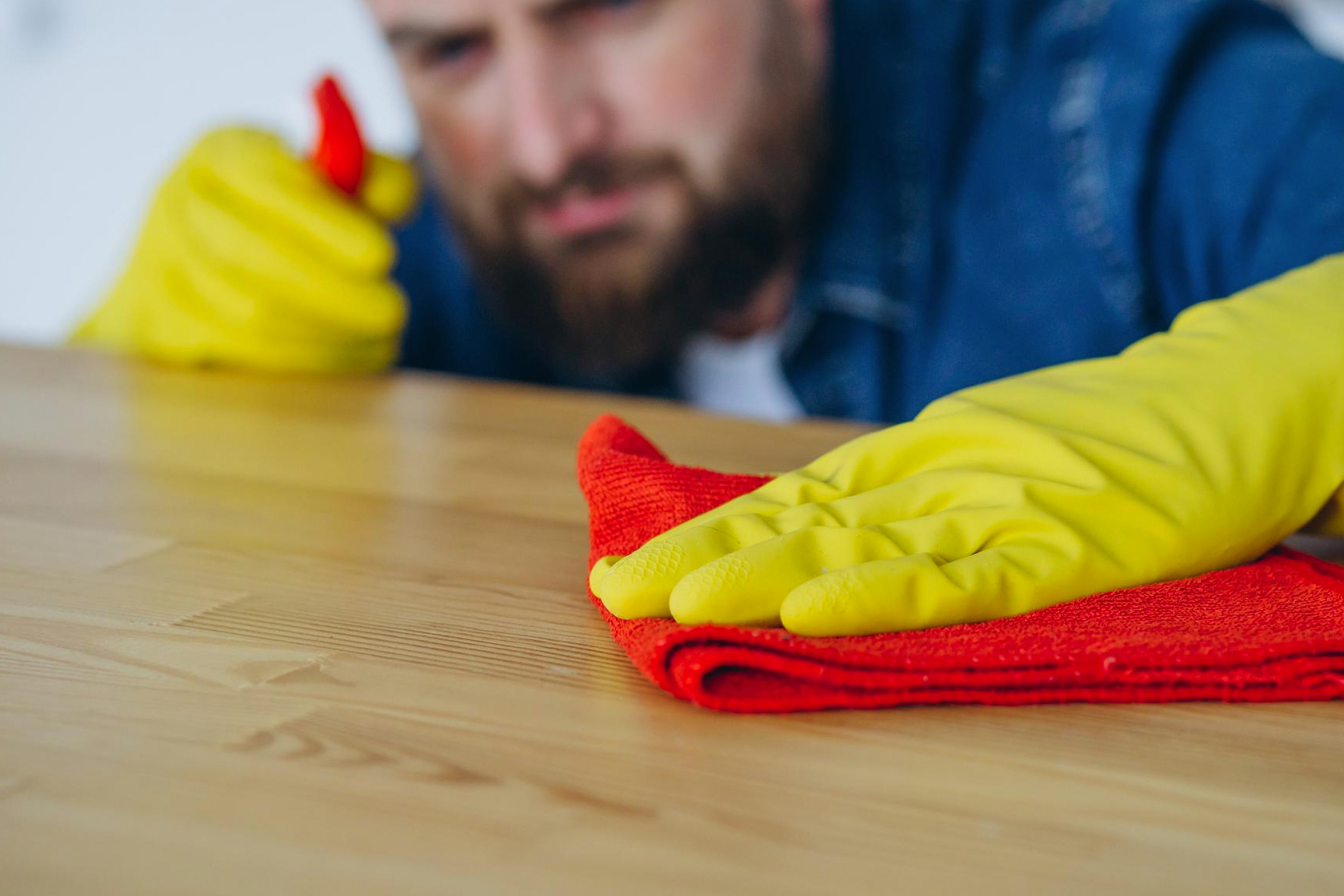
So you’ve found the source of the mould - what next? Many unofficial internet sources would tell you to wipe it down with bleach and call it a day. That’s likely to be what your landlords in the past have done for you, so it must be correct, right? Wrong. Not only is bleach highly ineffective, it also introduces more byproducts into your airspace. More on that later. We believe that this myth of bleach being the solution has been perpetuated by “quick-fixers”, people that just want to get the problem out of their hair as easily as possible. Bleach just bleaches mould - removes the pigment so that it isn’t dark and visible anymore. The roots are still there, growing and it will come back, sometimes with a vengeance.
More importantly, in the process of “cleaning” with bleach, you’ve aggravated the mould. Because it believes it’s under threat, it rapidly releases millions of spores into the air in an effort to recolonize somewhere else. These, along with the VOCs in bleach, make for a 1-2 punch of respiratory irritants. With these spores now contaminating your airspace, you’ve got a much higher likelihood of mould landing and colonising in other areas of your home.
That’s why we highly recommend professional remediation as soon as mould becomes an issue in your home.
Calling in the Experts: The Mould Remediation Process
What should you expect when hiring a remediator? There are many companies out there, but they will all have a similar process (or should). A qualified and experienced mould remediator will be able to help inhibit mould regrowth long-term in a controlled manner. They’ll also be able to advise a unique moisture management plan for your home so you can keep things under control in the future. The typical process should follow something like below;
- Inspection: Like we mentioned above, the first and most important part of long term remediation is to assess the source of growth. The technician will come to your home and find the source of the moisture, assess the severity of the issues and recommend next steps based on the unique nature of your home
- Air Tests (Before Treatment): Technicians will take an air sample in your property before the treatment and one outside the property as a control. This shows you how severe the problem is in the home, as well as a benchmark of what your air quality SHOULD look like in the home, based on your area and season
- Cleaning and Remediation: The remediator will treat the mould with a fungicidal agent. It has to be applied properly, and held for the correct dwell time. This matters, because mould that isn't treated properly is mould that can come back. They will need to conduct the cleaning in such a way that spores aren’t released by the threatened mould into the house and the rest of the airspace. Environment control is key here and a huge part of the remediator’s role
- Post-Treatment Air Tests and Report: Once the remediation is complete, they’ll take another air test in the area to compare to the before and outdoor air tests taken earlier. This confirms job completion and shows the reduction achieved against the outdoor-air control. They should also give you a full report of their process and findings to keep on file.
Is Pure Maintenance Any Different?
We’re biased here, obviously. But our process is different enough that we’ve actually secured patents on it, and it’s been used in hundreds of thousands of homes worldwide. The key difference is in our dry fog technology. Where other remediators would just treat a localised area, we treat the whole home. That means the mould across every exposed surface the air touches is treated, and the home's air is reset to the outdoor-air benchmark, confirmed by independent lab analysis on our full PureHome treatment. (More on hidden mould and where it grows.) We can do this because, unlike other remediators, we hold the dry fog under positive pressure throughout the home. That puts the sterilant in contact with the air and with every exposed surface the air touches. If you want to know more about how we're different, you can read our in-depth article here
Improving Your Home Environment
In summary, mould growth on walls is extremely common in homes across the UK and is ugly and unsightly - and the NHS links damp and mould in the home to respiratory problems. It’s important to take action once you have mould growth in your home, because once it’s visible, you’ve likely got some underlying issues that need resolution. Bleach is not only a bad bandaid, it often does more harm than good. If you want to be sure that you’ve nailed the source of the issue, hiring a professional to inspect, or treat, or all of the above, is the way to get the problem properly resolved.
